The Soul of African Food: A Taste That Connects Hearts and Homes
Food is more than just something to eat; it’s a story, a memory, and sometimes, a piece of home.
In Africa, a meal is never just about satisfying hunger. It is about connection, community, and culture. Every aroma, every spice, every shared bowl carries a deeper meaning; a reminder of where we come from and who we are.
When you think of African food, you don’t just imagine flavors; you feel emotions; laughter around a smoky pot, voices blending with the rhythm of wooden spoons, children running as mothers stir soups that tell centuries of stories. This is the heartbeat of African cuisine; soulful, proud, and beautifully human.
A Continent of a Thousand Flavors
Africa’s beauty lies in its diversity, and its food tells that story best. From the West to the East, from the North to the South, every region brings something unique to the table. Imagine Amina, a young Nigerian mother living in Berlin. Every weekend, she carefully prepares Efo Riro, a spinach stew rich with peppers, tomatoes, and tender meat, just as her grandmother taught her back in Lagos. As the aroma fills her small apartment, she is transported home, to bustling markets and family gatherings where laughter mingles with the scent of spices.
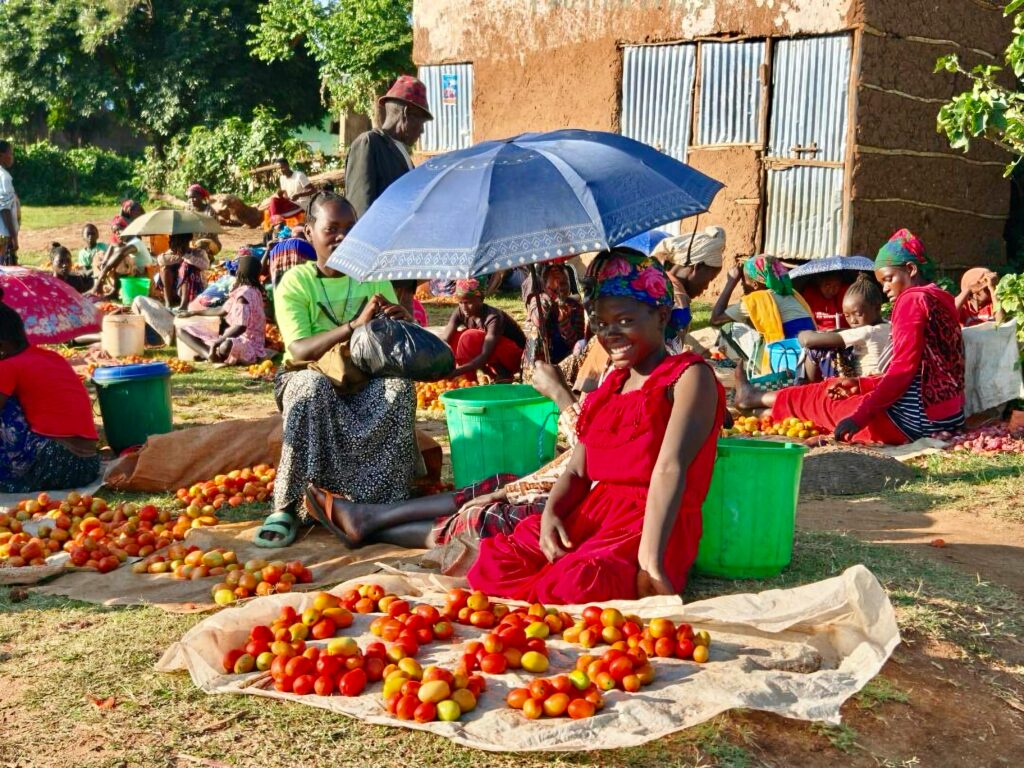
Amina’s story is not unique. Across Europe, in Rome, Paris, and Brussels, African food is weaving its way into the daily lives of people far from its origins. In Italy, Luca, a curious chef, discovered Jollof Rice at a local food festival. The flavors, the tang of tomatoes, the warmth of spices, the subtle smokiness, sparked a fascination. He began experimenting in his kitchen, learning from African friends, understanding that each ingredient carried history, culture, and resilience.
In France, the popularity of Suya, skewered, spiced grilled meat, has grown not just because of its taste, but because it tells a story of community. Street vendors in Lagos sell Suya late into the night, and every skewer comes with conversation, laughter, and shared experiences. When Parisians bite into it, they are not only tasting food—they are tasting connection.
Belgium is seeing a surge of interest in African desserts, like Akara (bean cakes) and Puff-Puff. Young Belgians are learning that African cuisine is not only about exotic flavors, it’s about nutrition, history, and creativity. Every dish has a lesson: patience, balance, and respect for ingredients passed down through generations.
In Nigeria, the comforting aroma of egusi soup simmering in palm oil fills homes with warmth. In Ghana, the smoky taste of jollof rice sparks friendly debates and endless smiles. Kenya’s ugali and sukuma wiki remind you of simplicity and strength, while Morocco’s tagine combines spice and patience in one perfect dish.
Each recipe is a mirror of its people; full of history, shaped by nature, and carried by love. But beyond the flavors lies something deeper, a shared language.
African food speaks of gratitude, togetherness, and survival. It is the bridge between generations.
When a grandmother teaches her grandchild how to make banga soup or koki beans, she isn’t just passing down a recipe; she’s passing down identity.
The Ingredients That Carry Memories
There’s something sacred about African ingredients. They are grown with patience, prepared with care, and served with pride.
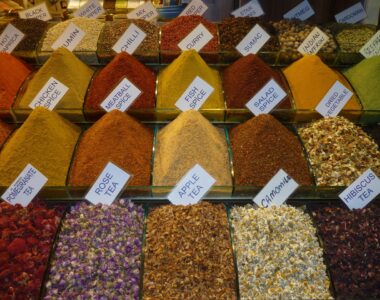
From yams that fill the soil of West Africa to cassava that feeds entire families, from the sweet ripeness of plantain to the boldness of chili pepper, every ingredient has a purpose.
The rich scent of locust beans (iru), the deep red of palm oil, the crunch of roasted groundnuts — these are not just flavors, they are memories of home.
And what makes African cooking special is that it doesn’t separate life from food. You taste the environment — the soil, the rain, the stories, the music, all captured in one plate.
African cuisine reminds us that food is not fast; it is lived. It teaches patience, respect for nature, and appreciation for the people who bring it to the table.
For Africans Abroad: The Taste of Home Travels Too
For those who live far from home, in Paris, Berlin, Milan, or Amsterdam, African food is a lifeline.
The moment the scent of okra soup or fried plantain fills your kitchen abroad, something shifts. You remember the sound of your mother’s laughter, the market noise on a Saturday morning, the joy of eating with your hands.
Food becomes a form of travel, one that takes you back home without a plane ticket.
And that’s why African stores, restaurants, and online platforms have become such powerful spaces abroad. They are not just shops; they are community centers. They remind people of who they are, and that even in another continent, your roots still cook for you.
From Tradition to Tomorrow
The beauty of African cuisine is that it keeps evolving without losing its soul.
Modern African chefs are reimagining dishes with new techniques while keeping authenticity intact. From Lagos to Rome, from Accra to London, you’ll find African-inspired menus that blend old recipes with modern creativity.
Social media has played a huge role in this, too. It has become a digital kitchen — where Africans everywhere share recipes, cooking hacks, and cultural pride. Young people are proudly cooking dishes their grandmothers made, not out of obligation, but out of love and identity. It’s a movement, a revival of culture through food.
The Meaning Behind Every Bite
Every meal in Africa carries emotion. Whether it’s a celebration, a loss, or just an ordinary day, food holds space for expression. In a world that moves too fast, African food reminds us to slow down, gather, and share.
A pot of soup is never for one person; it is for everyone. It says, “You are welcome. You belong.” And that’s the secret behind African cuisine: it feeds the soul before the stomach.